Prescription dog food costs more because it is doing something the cheaper bag cannot, and that only holds when the diet was matched to a diagnosis. A therapeutic diet is built to precise nutritional targets aimed at a single disease, such as holding phosphorus under a ceiling that protects failing kidneys, and it stays inside that narrow range from one bag to the next. For some conditions, kidney disease most of all, diets built this way have been shown in clinical studies to slow the decline and give dogs more good time. A pet store bag with a similar promise on the front is not held to that standard, which makes price the wrong thing to compare on its own, because the real question is whether the food was chosen for your dog's diagnosis or picked off a shelf for what the label suggests.
At our front desk the question usually comes out as how long a dog has to stay on the expensive bag, and whether the store brand with the same word on its label would do instead. Carolina-Virginia Animal Hospital is a family-owned practice in Providence, and we will answer both of those honestly, including when a diet is not worth what it costs. The bloodwork and imaging we start with tell us whether food is the main treatment for your dog, a partner to medication, or not the answer at all, and our Care Plans help keep the ongoing cost of managing a chronic illness within reach. If you are standing in the pet food aisle wondering what you are paying for, bring the bag in and we will go through it with you.
Prescription Dog Food: The Basics
- A therapeutic diet is formulated to precise nutritional targets for one disease, batch after batch, and comes from a veterinarian.
- A pet-store bag using words like "urinary" or "kidney support" isn't held to those specifications, so the word on the front tells you little.
- Food is the main treatment for some conditions and a partner to medication for others, so a diet gets chosen from a diagnosis and rechecked like a prescription.
- The benefit depends on the diet being the whole diet, which puts treats, chews, and the crust of toast inside the plan.
What Makes a Diet Therapeutic and Not Just Pricey?
A therapeutic diet earns its price in the formulation: it's built to nutritional targets for a single disease and held to them from bag to bag, while an over-the-counter diet only has to meet general nutritional standards, whatever the name on the front says. That consistency lets food act like medicine: a renal formula caps phosphorus, and a hydrolyzed food breaks the protein down far enough that the immune system stops reacting to it.
| What to compare | Pet-store bag with a disease-sounding name | Therapeutic diet |
| What drives the recipe | Taste, cost, what sells | Nutritional targets for one diagnosis |
| Bag to bag | Shifts with ingredient availability | Held inside a narrow range |
| Proof behind it | Meets general nutritional standards | Feeding trials in affected dogs |
Where Does the Higher Price Go?
Most of the cost of a therapeutic diet is spent before the bag reaches a shelf: consistent ingredient sourcing, tight quality control, trials run in dogs who already have the disease, and research a store brand never has to pay for.
Set against medications, hospital stays, or the stone surgery the right diet can help prevent, food is usually the smaller cost of managing a chronic illness. Many conditions have options at more than one price point, so tell us what you can spend each month and we'll work inside it. Measuring every meal keeps you from overfeeding expensive food, and a standing refill keeps the bag from running out between trips to Providence.
What Can Food Do for Bladder Stones, Weight, and Diabetes?
Food is the whole treatment for some stones, the core of any weight-loss plan, and what keeps insulin working predictably. In all three the diet works meal by meal, changing what reaches the urine and the bloodstream every day.
Can Food Dissolve Bladder Stones?
Some urinary stones dissolve over weeks to a few months on a diet that changes urine pH and mineral concentration, and others have to be removed surgically and then prevented from coming back. Sometimes we'll recommend removing a dissolvable stone anyway, since bladder stones are painful and one that lodges in the urethra becomes an emergency. Straining, blood in the urine, or a dog who can't pass urine at all is a same-day visit, not a diet question. Once the stones are gone, a daily handful of the wrong treat can pull urine pH back where it started.
Is a Weight-Loss Diet Better Than Just Feeding Less?
Extra weight is the most common nutrition problem in dogs, and it worsens arthritis, is linked to increased diabetes risk, and can shorten a dog's life. Fiber in a weight-loss diet leaves a dog feeling full on fewer calories, and the added protein protects muscle. Feeding less of the regular kibble cuts protein and nutrients along with the calories, so a smaller scoop isn't a weight-loss plan. A real plan starts with a hands-on body condition score and a calorie target, moves slowly enough to be safe, and counts treats inside the daily allowance.
What Should a Diabetic Dog Eat?
Many diabetic diets for dogs lean on steady, moderate fiber and predictable carbohydrates, and the same food in the same amount at the same hour is what lets a dose of insulin behave the same way twice. Diabetic diets are even more important for cats: many stabilize and some even go into remission on low-carbohydrate feeding, so the food can be an actual cure, not just treatment.
Does Food Do Anything for Itchy Skin, Teeth, and Anxiety?
Food does something different in each of these, and none of them replaces a diagnosis: for an itchy dog a diet is the test as much as the treatment, for teeth it helps between cleanings, and for an anxious dog it's a small assist alongside training.
How Do I Know if Food Is Making My Dog Itch?
In dogs, food allergies show up as itchy skin, ears that keep flaring, and a gut that never settles, and the trigger is nearly always a protein the immune system has decided to fight. Fleas and environmental allergies cause the same itch and are more common, so we rule those out first. A novel-protein or hydrolyzed diet removes or disguises the protein, and the trial is the diagnosis: the itch clears, then returns when the old food comes back. Nothing else goes in the mouth for the full trial, usually eight to twelve weeks, including flavored heartworm preventive, dental chews, and the peanut butter in the lick mat, or the result means nothing. We can swap a flavored preventive for an unflavored one while the trial runs.
Do Dental Diets Replace a Cleaning?
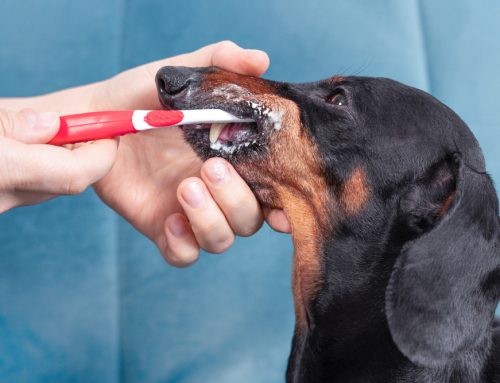
A dental kibble that scrubs the tooth as it breaks apart, plus additives that keep plaque, a sticky film of bacteria, from hardening into tartar, helps extend the time between cleanings but doesn't take the place of one. Food can't reach under the gumline where most of the painful disease sits, and that belongs to professional cleaning with dental X-rays that show what's happening at the roots.
Do Calming Diets Work?
Nutrients like L-tryptophan and alpha-casozepine can take the edge off storm season or a long car ride, but they work alongside training, changes at home, and sometimes medication, and won't resolve separation anxiety or aggression on their own. A sudden personality shift in an adult dog needs an exam first, since pain, thyroid disease, and cognitive decline can all look like a behavior problem.
Can the Right Diet Slow Kidney, Heart, Liver, and Pancreas Disease?
Diet can change the course of organ disease, and kidney disease is where the effect is clearest.
| Condition | What the diet changes | Role food plays |
| Chronic kidney disease | Lowers phosphorus, adjusts protein, adds omega-3s | Main treatment, with medication for nausea and blood pressure |
| Heart disease | Moderates sodium, balances potassium and magnesium | Partner to cardiac medication |
| Liver disease and shunts | Controls protein amount and type; limits copper in some diseases | Main treatment for dogs managed medically |
| Pancreatitis | Low fat, in measured portions | Main treatment, long term |
Chronic Kidney Disease
A renal diet is among the most effective tools we have for slowing chronic kidney disease, and what usually makes it difficult is keeping a nauseated dog interested in dinner. Hydration becomes part of the treatment: water stirred into meals, canned versions of the same formula, and more water bowls around the house than a healthy dog needs. Recheck bloodwork and a urinalysis tell us whether the plan is holding or the numbers are drifting.
Heart Disease
A struggling heart holds onto sodium and fluid, so a cardiac diet keeps sodium moderate and potassium and magnesium in balance, and many add omega-3s to help with appetite and the muscle loss of heart failure. Ultrasound and chest X-rays show whether fluid is backing up into the lungs, and a rhythm and blood pressure check adds to the picture when a heartbeat sounds irregular. Diet can also work against the heart: some grain-free and boutique diets have been linked to a form of heart disease called dilated cardiomyopathy, so tell us exactly what your dog eats if we hear a new murmur.
Liver Disease and Liver Shunts
In a liver shunt, blood bypasses the liver and byproducts like ammonia build up in the bloodstream, so a diet for a liver shunt limits the amount and type of protein without dropping it so low that muscle goes. Shunts turn up in puppies who stay small for their litter, seem dazed an hour after eating, or wake slowly from anesthesia. Copper storage disease, seen most often in Bedlington Terriers, Labrador Retrievers, and Dobermans, is a different problem, and it calls for limiting copper rather than adjusting protein.
Pancreatitis
An inflamed pancreas reacts to fat more than anything else in the bowl, so low-fat feeding for pancreatitis runs long term in measured portions, not just the week after a flare settles. Holiday scraps and a stick of butter off the counter are the classic culprits, and Miniature Schnauzers and overweight dogs are at higher risk.
Vomiting, a hunched back, and a dog who won't touch dinner are reasons to come in the same day. Please don't manage a flare at home with a fasting plan found online, because a dog who can't keep water down dehydrates quickly.
Does My Senior Dog Need a Senior Food?
There's no single right senior food. The answer comes from your dog's body condition, their bloodwork, and any disease already starting, and the senior who's lost muscle and the one who's gained eight pounds need opposite plans. Geriatric care visits settle it with a weight, a hands-on body condition score, and screening labs.
- Joint health: Joint diets work mainly by delivering omega-3 fatty acids from fish oil at levels high enough to calm inflammation inside the joint, which is the strongest evidence behind any mobility formula, and many pair that with glucosamine, chondroitin, and fewer calories. Weight is still the biggest lever for a sore hip, and a joint diet doesn't replace pain relief for a dog hurting right now.
- Cognitive care: Canine cognitive dysfunction looks like a dog circling the kitchen at two in the morning, getting stuck behind furniture, losing house training, or not recognizing a familiar face. Diets for the aging brain add antioxidants, omega-3s, and medium-chain triglycerides an older brain can burn for energy when it stops using glucose efficiently, and they help more when started early alongside daily brain games, so tell us about these changes instead of filing them under old age.
Can I Cook for My Dog Instead?
A home-cooked diet can fill the role when no commercial therapeutic food fits, either because conditions overlap in a way one bag can't address or because your dog has refused every option. It has to be formulated for that individual dog by someone qualified, since an unbalanced homemade diet creates problems of its own.
Balanced home-cooked diets start from that kind of formulation, because recipes circulating online often come up short on calcium, trace minerals, or vitamin D once the nutrients are calculated. From there it works like any prescription diet: follow it as written, supplements included, and recheck so the bloodwork can show the result. For a complicated case, we can help you get a formulation from a board-certified veterinary nutritionist and build the plan around it.
What Does Feeding a Prescription Diet at Home Take?
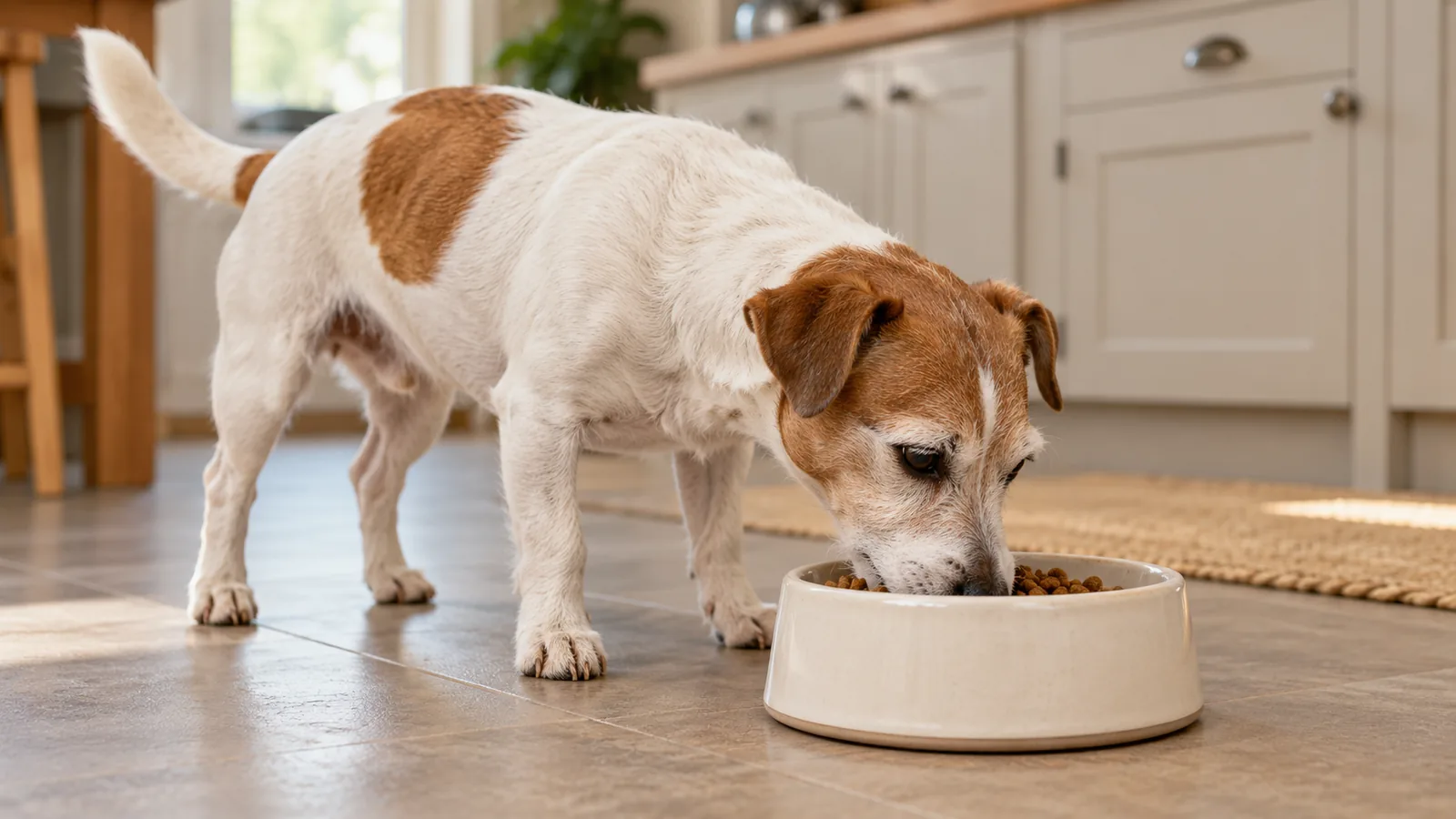
Fed as prescribed means the right food for the diagnosis, the right amount, nothing else in the bowl, and a switch slow enough that your dog keeps eating. Mixing the new food into the old over about a week keeps a suspicious eater from turning it down.
How the Diet Gets Chosen
The choice starts with the diagnosis, your dog's age and weight, and the rest of their chart. A dog with overlapping conditions, say early kidney disease and a history of pancreatitis, needs one coherent plan instead of two diets pulling against each other, and one of our veterinarians can tell you which target matters most for your dog and where there's room to compromise. There are some diets that fit multiple conditions, like joint health and weight loss, or kidney disease and senior care, so ask our team what might work for your pet. Have that conversation before you buy the large bag.
Why Nothing Else Goes in the Bowl
Feeding a therapeutic diet works only when it's the whole diet, so the flavored chew, the pill pocket, and whatever falls from the table all count against it.
- Everyone in the house: a few biscuits a day from a kind neighbor add up to a diet we didn't prescribe, so the whole family needs to know the rules changed.
- Other pets: a renal or low-protein food isn't right for a growing puppy or a healthy adult, so they shouldn't be eating from that bowl either.
- Pills: they hide well in canned food from the same product line.
- Boarding stays: if your dog is boarding with us, send the prescription food and feeding instructions so the diet doesn't change while you're away.
- New treats and supplements: ask us before a topper, treat, or chew goes in the bowl. Many prescription diets also have their own treat line.
Common Questions About Prescription Dog Food
The store bag says "kidney support." Isn't that the same food for less?
Those words can sit on a bag that was never held to the targets a renal diet needs, starting with a phosphorus ceiling and protein quality that protects muscle. We'll compare that label against your dog's bloodwork and tell you honestly whether the cheaper bag can do the job.
Will one piece of cheese undo months of work?
One piece of cheese won't erase months of careful feeding, but daily extras will. A handful of treats each afternoon can pull urine pH, phosphorus, or fat intake outside the range the food was holding. During a food allergy trial, though, a single off-plan bite sets the clock back. Ask us which treats fit your dog's diet.
How long does my dog have to stay on the food?
That depends on the condition. For kidney, heart, and liver disease, the diet is usually part of life from then on. A stone-dissolving diet often finishes its work in weeks to a few months and then switches to a prevention formula, and a food trial for allergies ends on a defined date, with what comes next depending on what it showed.
Finding Out if Food Can Help Your Dog
A therapeutic diet is worth the money when it's matched to a real diagnosis and fed faithfully, and some dogs don't need one at all. Managing a chronic illness is a long road, and part of our job is telling you plainly where food fits into it, so schedule a visit at Carolina-Virginia Animal Hospital in Providence and bring whatever your dog is eating now, treats and chews included.